
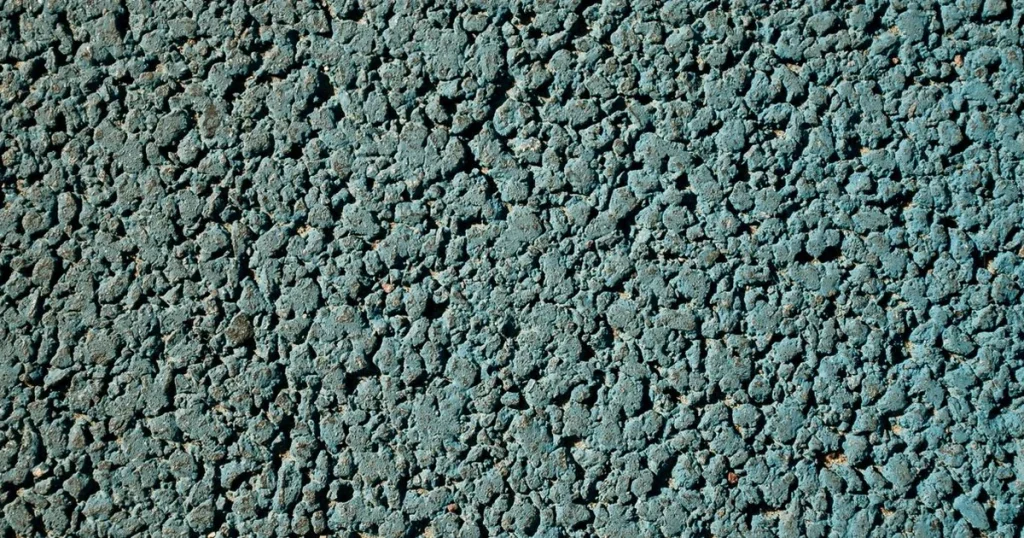
When your milling drum chews through recycled asphalt at a rate that hollows out your contract margin, the decision between Road Milling Carbide Picks: Standard Grade vs Custom Formulation for High Recycled Asphalt becomes the most consequential engineering choice on the job. A standard grade like Ruixin SR8C will cut just about anything you throw at it — until the aggregate locked inside reclaimed asphalt pavement (RAP) systematically accelerates flank wear faster than the drum-change schedule allows. At that inflection point, the carbide system is no longer matched to the abrasive load, and the only solutions are to shorten pick-change intervals (and accept the cost) or to engage the full formulation capability of a manufacturer that controls the powder‑to‑product chain. The pick body and holder geometry may stay unchanged, but the cemented‑carbide composition inside the tip determines how the drum wears shift after shift. This article walks you through the selection logic that separates a procurement‑driven standard‑grade decision from an engineering‑driven custom‑formulation decision, using Ruixin’s documented grade specifications and production capability as the reference framework. No hypothetical improvements are claimed; every recommendation is conditional on the failure data you collect from your own high‑RAP sites.
Standard SR8C or a custom formulation. The initial unit price difference is rarely the deciding factor. What matters is whether the carbide system’s hardness, grain size, and flexural strength match the dominant wear mechanism created by the specific RAP feed. Choose standard‑grade SR8C when recycled asphalt content is low to moderate and the primary failure mode is abrasive wear with occasional mild impact — the scenario where off‑the‑shelf availability and documented batch consistency are worth more than a marginally optimised grade. Choose a custom formulation when consistently high RAP levels produce an identifiable, repeatable wear pattern — accelerated flank wear, uneven tip rounding, or micro‑chipping — that shortens drum life predictably, and your operating records confirm that the standard grade cannot arrest that pattern. The two paths are not a quality hierarchy; they are a problem‑matching decision grounded in consumption data, not the impulse to upgrade a specification sheet.
Scope of This Comparison
This article defines the selection boundary between a standard cemented‑carbide grade — Ruixin SR8C — and a custom‑formulated grade for road milling picks operated in high recycled asphalt. The buyer’s job, system fit, operating guidance, and the qualification steps required for each route are examined side by side. The discussion is anchored to Ruixin’s documented grade specifications and production capability; it does not rely on generic industry assumptions or hypothetical field results. Every data point that appears — such as Ruixin SR8C hardness HRA 89.0 ± 0.5, grain size 2.0–3.0 µm, and flexural strength ≥ 2,200 MPa — is sourced from the manufacturer’s grade reference and serves as an engineering selection reference. These figures describe material properties, not a universal field‑life guarantee, and they should be verified with the manufacturer’s batch documentation before procurement.
What we compare is the carbide system: hardness, grain size, flexural strength, and the ability to adjust those variables to match the wear mechanism generated by today’s RAP‑rich asphalt mixes. Whether a standard off‑the‑shelf grade or a custom formulation delivers the lower total cost per square metre of milled surface depends on the RAP aggregate type, its angularity, the presence of tramp iron, and the drum consumption data you already collect. We do not compare polycrystalline diamond (PCD) or diamond‑coated picks, because those require a fundamentally different cost and performance framework. Pick body geometry, holder design, and milling machine hydraulic settings are outside the scope. No universal “best” grade is declared. Every recommendation is conditional on the RAP content, the dominant failure mode, and the procurement environment in which you operate your fleet.
The scope also excludes claims about minimum order quantities, pricing, delivery lead times, warranty periods, or guaranteed service‑life improvements because those variables are order‑specific and must be confirmed directly with Ruixin Tungsten Carbide through a formal enquiry. The article focuses instead on how to frame the technical question: what data you need to hand before you ask a manufacturer whether a standard grade is sufficient or a custom formulation should be trialled. This is the discipline that separates a reactive tooling purchase from a cost‑managed milling programme.
Evidence‑Backed Comparison Table

| Function / Buyer Job | System/Application Fit | Operating Guidance | Main Advantage | Main Watchpoint | Evidence Status |
|---|---|---|---|---|---|
| Off‑the‑shelf procurement for mixed asphalt (low‑to‑moderate RAP) | Ruixin SR8C: confirm hardness HRA 89.0 ± 0.5, flexural strength ≥ 2,200 MPa, grain size 2.0–3.0 µm; balanced wear resistance and toughness | Use where recycled content is not the dominant variable; monitor flank wear across the full drum set | Documented specification enables batch‑to‑batch consistency checks; standard geometry fits existing holders without modification | When abrasive RAP aggregate becomes the main failure driver, wear may accelerate beyond what the standard balance addresses; demand site‑validated wear data | Specifications sourced from Ruixin grade reference; supplier batch documentation should be requested for verification |
| Address specific, repeatable wear patterns caused by high RAP content (rapid flank wear, micro‑chipping, uneven drum consumption) | Custom formulation tailored to Ruixin’s in‑house alloy/process capability; cobalt‑binder level, grain size, and hardness adjusted to the actual aggregate‑binder system | Requires sharing current pick failure data, RAP composition, and machine parameters; trial batch followed by controlled field validation | Performance engineered to target the root‑cause failure mode, not a generic compromise | Longer due‑diligence cycle; controlled site trial required; minimum qualification input from the buyer | Custom grade formulation is a documented Ruixin capability; specific performance outcomes depend on field validation |
Ruixin SR8C is delivered as a standard grade with defined material properties that have been applied across a wide range of road milling operations. For the majority of asphalt milling carbide tips used in conventional construction and maintenance jobs, this grade provides a known balance of hardness and toughness that supports predictable procurement planning. Where the abrasive system changes materially — as it does in high recycled asphalt — the standard grade’s limitation is not a quality defect but a design mismatch that a custom formulation can correct, provided the mismatch is documented by on‑drum wear records.
A custom formulation is not a vaguely “better” carbide. It is an engineered response to a specific failure sequence. Ruixin’s ability to modify grain‑size distribution, binder level, and hardness means the carbide system can be shifted toward higher wear resistance at the cost of some toughness, or toward higher toughness if micro‑fracture is the primary problem. The right direction is decided by the failure records from your actual high‑RAP job sites, not by a supplier’s product catalogue. Because Ruixin controls the full powder‑to‑product chain and maintains a collaborative research programme with Central South University, the parameters that define the carbide — cobalt content, WC grain size, and the resulting hardness‑toughness balance — are adjustable within a defined production window. The comparison table maps that adjustment against the operational decision a procurement manager and a site engineer must jointly make.
Standard Grade (SR8C) — Best Fit, Limitations & Qualification
Ruixin SR8C, with a hardness of HRA 89.0 ± 0.5, grain size of 2.0‑3.0 µm, and flexural strength ≥ 2,200 MPa, is a balanced cemented‑carbide grade that is positioned for road milling applications where recycled asphalt content is not the dominant wear variable. Its property set is specified to handle mixed abrasive and moderate‑impact demands typical of standard asphalt milling. For a contractor running a mixed fleet across varied municipal and highway jobs with lower RAP percentages, Ruixin SR8C offers the ability to rely on a single grade across the fleet without the overhead of custom qualification, provided the documented batch specifications are confirmed on receipt.
The medium‑grain microstructure of Ruixin SR8C, combined with the documented flexural strength, is designed to address the gradual flank‑wear progression that defines normal abrasive wear in conventional asphalt. The grade is categorised for the “roadheader, road milling” application in Ruixin’s product line, indicating that its property set was developed with cold‑planing conditions in mind. Because the pick tip sees a combination of sliding abrasion and occasional impact from tramp inclusions, the balance of sufficient toughness to survive those impacts and enough wear resistance to maintain tip geometry is what makes SR8C a standard choice for general road milling work. The consistency of this specification across production batches, supported by the manufacturer’s documented quality control, allows procurement teams to plan drum‑change cycles on a known material baseline.
The limitation of Ruixin SR8C becomes apparent when the RAP fraction increases and brings harder, more angular recycled aggregate into the cutting zone. Under sustained high‑RAP conditions, the standard balance may be pushed beyond its design window: wear‑flat progression can become uneven, and tip rounding can vary from pick to pick. SR8C will still cut, but the drum‑wide consumption pattern is what tells you whether the standard grade is sufficient or whether a custom formulation needs to be assessed. If consumption no longer scales linearly with milled area — that is, if the pick‑change interval collapses at a rate disproportionate to the extra abrasive load — the drum is signalling a carbide system mismatch. That signal is more reliable than any specification comparison done on paper because it captures the real tribology of the specific aggregate‑binder system.
Qualification of SR8C for a given high‑RAP operation must be done with data, not memory. Run Ruixin SR8C on a single drum for a minimum of one full shift in the target condition, and measure wear‑flat depth on at least six equally spaced picks. Request the batch material test report — density, HRA hardness, and flexural strength — with the order to confirm the production batch meets the specification. If wear remains uniform across the drum and the failure rate is acceptable for the bid cycle, standard SR8C is the right fit. When the wear data shows a disproportionate consumption gradient or early micro‑chipping in high‑RAP zones, the standard grade is treating the symptom rather than the cause. That threshold is the point where a custom formulation assessment becomes the lower‑cost path for the next contract cycle.
Custom Formulation — Best Fit, Limitations & Qualification

Custom formulation becomes the answer when the specific recycled asphalt mix creates a repeatable failure mode that a standard grade like Ruixin SR8C cannot resolve. Ruixin’s in‑house capability to adjust grain‑size distribution, cobalt‑binder level, and the resulting hardness means the carbide system can be re‑engineered to match the wear mechanism — whether that mechanism is accelerated abrasion from hard RAP aggregate, micro‑fracture from repeated tramp‑iron impacts, or a combination that kills picks unpredictably across the drum. The engineering question is not whether a different carbide composition can improve performance; it is whether the data you supply is precise enough to target the adjustment. Without site‑specific failure analysis, a custom formulation would merely shift the problem instead of solving it.
Ruixin’s custom formulation capability is not a re‑labelling of a nearby catalogue grade. Because Ruixin controls the full powder‑to‑product chain — powder preparation, pressing, sintering — and holds a collaborative research programme with Central South University, the engineering team can modify the cemented‑carbide system within a defined production window. The outcome is a grade whose hardness, flexural strength, and grain‑size distribution are aligned with the abrasive load your drum actually sees. For cold planing carbide teeth for reclaimed asphalt pavement that encounter a specific, consistent aggregate type shift after shift, that alignment means the carbide system is tuned to the dominant wear mechanism rather than relying on a general‑purpose compromise. Batch‑level material test reports, when specified, provide a document trail that ties the custom parameter set to each delivery.
The primary limitation of a custom formulation is the upfront qualification effort. A buyer must supply detailed application data: the current pick grade and its failure mode, the approximate RAP percentage and, where available, the aggregate petrography, the milling machine model and drum rotation speed, and historical pick consumption records. Without this minimum dataset, any custom formulation would be an educated guess rather than an engineered recommendation. The development cycle includes a trial batch, followed by a controlled split‑drum validation under actual high‑RAP conditions. The total elapsed time is driven by how many shifts you need to accumulate statistically meaningful wear and failure data. Ruixin can provide a quotation within 24 hours of receiving complete drawings and specifications, a documented response capability, but the overall qualification timeline must be built around your field trial schedule. Ask for a projected timeline when you submit your application.
Custom formulation also introduces a dependency: the grade is tuned to a known, repeatable abrasive system. If the RAP aggregate source changes materially during the contract period — for instance, from a basalt‑dominant supply to a granite‑dominant one — the formulation that worked for the original feed may no longer deliver the same wear pattern. That is not a failure of the custom approach; it is a requirement to re‑validate the grade whenever the input material fundamentally changes. In a long‑term contract where the aggregate source is stable, this limitation rarely materialises. The benefit of building a custom grade on top of Ruixin’s direct engineering consultation is that you are not locked into a blind SKU; the formulation can be reviewed and adjusted if the material conditions shift, preserving the alignment that made the custom solution cost‑effective in the first place.
Qualification of a custom formulation follows a disciplined chain that begins with the data you already have from running the standard grade. First, use the incumbent standard grade — ideally Ruixin SR8C — to record baseline wear‑flat progression and failure counts in the target high‑RAP condition across at least two full shifts. Supply that dataset to Ruixin together with the RAP composition, machine parameters, and a description of the dominant failure mode. The engineering team will then propose a candidate formulation derived from the documented property range that Ruixin can produce, with a proposed trial‑batch schedule. The next step is a split‑drum trial: the custom grade on one side of the same drum, the standard grade on the other, under identical RAP conditions. Measure wear‑flat depth and failure count at equal working distance after at least two full shifts. Only when the data shows a meaningful reduction in pick consumption or failure rate does the custom formulation graduate to full‑drum adoption and eventually to a fleet‑level procurement commitment. That stepwise validation turns a grade‑engineering concept into a repeatable procurement decision.
Decision Matrix by Buyer Scenario
The choice between standard Ruixin SR8C and a custom formulation hinges on RAP consistency, fleet flexibility, and the reliability of your wear data. The matrix below maps common buyer scenarios to the most appropriate carbide strategy, drawing on Ruixin’s documented application positioning rather than unverified performance claims. Each scenario is assigned a fit judgement with a brief rationale, allowing procurement and engineering teams to locate their own situation before committing to a qualification path.
| Buyer Scenario | Standard Grade (SR8C) | Custom Formulation |
|---|---|---|
| Routine highway resurfacing with low recycled asphalt content | Best fit — the balanced properties of Ruixin SR8C (HRA 89.0 ± 0.5 and ≥ 2,200 MPa flexural strength) are matched to typical wear modes; availability from standard stock supports straightforward fleet planning | Over‑engineered; development lead time not justified |
| Consistently high RAP milling (recycled content a known, stable variable) | Adequate — will cut but pick‑change intervals and per‑square‑metre pick count may increase | Best fit — formulation matched to the specific abrasive system supports uniform drum consumption when validated by site trial |
| Mixed fleet operating on varying RAP percentages from job to job | Good fit — SR8C provides flexibility across the mix, avoiding multiple inventory SKUs | Adequate — the tuned grade may deliver its full benefit only on the target RAP source |
| Emergency replacement stock for any RAP condition | Best fit — requested from Ruixin standard production inventory; no pre‑qualification required | Not recommended — formulation and trial cycle prevents emergency use |
| Long‑term contract with uniform high‑RAP source and predictable wear data | Adequate — will function but may require more frequent pick changes over the contract life | Best fit — performance‑optimised grade can lower total pick consumption and machine downtime over the contract life, subject to trial validation |
This matrix does not rank the two options as universally superior or inferior. It maps the selection logic to the operational context. A contractor holding a multi‑year resurfacing contract on the same stretch of highway with a known RAP source will find that the structured qualification cycle of a custom formulation may pay back over the contract life, provided the trial data confirms a pick‑consumption reduction. A contractor running a mixed fleet across a dozen short‑duration municipal jobs will find the procurement simplicity and documented batch consistency of Ruixin SR8C to be the defining value. In both cases, the decision should be driven by the drum‑consumption records you already generate, not by a theoretical preference for customisation.
For procurement managers evaluating both routes concurrently, the matrix highlights the critical trade‑off: immediate availability versus application‑tuned performance. The standard grade allows you to react to any milling demand without pre‑qualification. The custom grade requires you to invest in a controlled trial, but the return on that investment — in terms of predictable pick consumption and reduced downtime — can be significant when the RAP condition is a stable, long‑term input. Ruixin’s factory‑direct engineering engagement means you are not outsourcing this trade‑off to a third‑party distributor; you are discussing it directly with the team that formulates the cemented carbide.
Test & Validation Checklist
A structured validation protocol prevents a premature switch to a custom grade based on anecdotal observation or a single bad shift. The steps below convert qualitative field impressions into a data‑driven comparison that both the site engineer and the procurement department can act on. Every step is designed to isolate the carbide‑grade effect from confounding variables such as pick geometry, drum speed, or RAP batch variation.
- Record baseline behaviour — Document pick consumption (picks consumed per drum per shift) and the predominant failure mode — flank wear, tip rounding, or fracture — with the current standard grade on your highest‑RAP jobs. Without this baseline, any improvement claim cannot be verified, and the decision to move to a custom formulation rests on assumption rather than evidence.
- Characterise the RAP — Note the nominal maximum aggregate size, the presence and frequency of tramp iron, and a qualitative description of aggregate angularity and binder condition. This characterisation anchors the custom‑formulation direction to the actual abrasive system that the picks encounter, rather than a general category like “high RAP.”
- Trial the standard grade first — Run Ruixin SR8C on a single drum for a minimum of one full shift under the target high‑RAP conditions. Measure wear‑flat progression on at least six evenly spaced picks and record any premature failures. This step establishes whether SR8C alone resolves the wear issue or whether the problem is truly a carbide‑system mismatch.
- Define the go/no‑go trigger — If the wear rate is uniform across the drum and within an acceptable range for your contract bid, standard SR8C is sufficient. If a clear consumption gradient or early micro‑chipping appears, that is the trigger to initiate a custom formulation trial. A predefined trigger prevents unnecessary engineering cost and eliminates emotional decision‑making.
- Run a split‑drum trial for the custom grade — Test the candidate formulation against Ruixin SR8C on the same drum, same shift, and same RAP material. Compare wear‑flat depth and failure count after equal working distance to isolate the carbide‑grade effect from operator, machine, and material variability.
- Validate batch repeatability — Request material test reports (density, HRA hardness, and flexural strength) for both the trial batch and the first full production batch. Confirm that the custom grade parameters fall within the agreed specification. For contracts spanning multiple deliveries, request the same reports for subsequent batches to monitor longitudinal consistency.
This checklist is supplier‑agnostic; it works regardless of who manufactures the carbide. However, it operates most efficiently when the manufacturer can review the test‑report data directly with the engineering team that set the formulation — a capability that distinguishes a factory‑direct relationship from catalogue‑based purchasing. For a deeper technical primer on how cobalt content vs grain size interact to define wear resistance across cemented‑carbide grades, the same fundamental principles apply whether you are evaluating a standard grade or a custom formulation.
Comparing the Total Cost Framework
AThe shift to a custom formulation changes the cost equation by attacking pick consumption directly. If the custom grade extends the pick‑change interval by a meaningful margin — determined through the controlled split‑drum trial described earlier — the reduction in picks consumed per shift can offset any difference in unit price, and the reduction in unplanned drum stoppages adds further operational value. The key is that the pick‑consumption reduction must be measured, not assumed. Ruixin’s engineering team does not quote a guaranteed consumption improvement because that number depends on the specific RAP aggregate and milling parameters. Instead, the trial protocol generates the data that allows you to calculate, for your own operation, whether the custom formulation lowers the total cost per square metre.
An often‑overlooked factor in the total cost calculation is the effect of batch‑to‑batch consistency on drum‑wide consumption. In road milling, a single drum carries dozens to over a hundred picks, and the effective drum life is governed by the weakest pick in the set. If batch quality varies — whether in a standard or a custom grade — consumption becomes unpredictable and bids lose accuracy. Ruixin’s in‑house production control, with the option to receive material test reports for each batch, provides the documentation needed to monitor this variable. For road milling operators who bid fixed‑price contracts, that predictability is a cost‑management lever as important as the grade specification itself. The logic aligns with how carbide wear parts for mining are evaluated — the true cost is determined by the outcome per unit of work, not the invoice price per part.
Therefore, the evaluation framework for high‑RAP milling should run two parallel cost tracks. Track one models the total cost per square metre using Ruixin SR8C as the baseline, incorporating your own historical consumption data on similar RAP jobs. Track two models the same output using the post‑trial consumption numbers from a custom formulation split‑drum test. The decision between the two tracks becomes a procurement‑grade comparison, not a subjective preference for “better” carbide. If the custom formulation does not improve the total cost by a margin that justifies the qualification effort, standard SR8C remains the right answer. This is how a factory‑direct manufacturer like Ruixin Tungsten Carbide helps technical buyers convert a material‑science question into a budgetable procurement decision.
FAQ
What is the best carbide grade for milling recycled asphalt pavement with high aggregate hardness?
Ruixin SR8C, with its balanced specification of HRA 89.0 ± 0.5, grain size 2.0–3.0 µm, and flexural strength ≥ 2,200 MPa, is an appropriate starting grade for road milling picks where recycled asphalt content is moderate and the failure mode is primarily abrasive wear with occasional impact. When the recycled pavement contains hard, angular aggregate that accelerates flank wear beyond an acceptable threshold, a custom formulation — adjusting grain size, binder level, or hardness within Ruixin’s documented production capability — may become the cost‑effective path. The best grade is the one that matches the dominant wear mechanism, and that mechanism can only be reliably identified from your own drum‑consumption data, not from a general specification sheet.
How do I know if my wear problem is caused by the carbide grade or the pick geometry?
Isolate the variable. Run Ruixin SR8C in the same drum position but with two different tip geometries on the same shift. If the wear rate changes substantially, geometry is a contributing factor. If the wear rate remains high regardless of geometry, the carbide grade itself is likely failing to match the RAP abrasive system. Supply the failure observations and consumption records to Ruixin’s engineering team, who can separate geometry effects from carbide‑grade effects so that you do not end up changing both variables at once and losing the ability to attribute the improvement.
Standard vs custom formulation for road milling picks — which is better for a mixed RAP fleet?
For a mixed fleet where RAP content varies from job to job, standard Ruixin SR8C is generally the more operationally stable choice. It avoids the inventory complexity and qualification overhead of maintaining multiple custom grades in the tool‑room. The exception arises when a single high‑RAP contract dominates the fleet’s working hours — in that case, developing a custom formulation for the drums assigned to that contract can reduce total pick consumption and unplanned downtime, while the standard grade continues to serve the lower‑RAP jobs without additional SKU management.
What information do I need to provide to initiate a custom carbide grade assessment for high recycled content milling?
Ruixin requires the current pick grade and its predominant failure mode, the approximate RAP percentage, a qualitative description of the aggregate (source rock type, angularity, and tramp‑iron frequency if known), the milling machine model and drum rotation speed, and historical pick consumption records from your high‑RAP jobs. The more precise the failure description — for example, whether the primary mode is uniform flank‑wear acceleration or localised micro‑chipping — the more accurately the formulation can be targeted to the root cause.
Does switching to a custom formulation affect pick holder compatibility on my milling drum?
No. A custom carbide formulation changes only the cemented‑carbide composition inside the tip. The tip dimensions and profile are machined to the same drawing‑specified geometry, so the pick‑holder interface remains unchanged. The holder and the drum block see the same external envelope regardless of whether the insert contains Ruixin SR8C or a custom‑formulated grade. This means you can trial a custom grade on a single drum without modifying the holder system or requiring different mounting hardware.
How long does the custom formulation development and qualification cycle take?
The timeline is driven by the steps outlined in the qualification protocol: Ruixin provides a grade recommendation and a sample lead‑time quotation after reviewing your application data, in line with the manufacturer’s documented capability to respond within 24 hours of receiving complete drawings and specifications. Then follows trial‑batch production, followed by the controlled split‑drum field trial under your actual high‑RAP conditions. The total elapsed time depends primarily on how many shifts you need to accumulate reliable wear‑flat and failure data. You should request a projected timeline from Ruixin when you submit your application so that you can schedule the trial without disrupting your production calendar.
Can a custom carbide grade still be used if my RAP source changes during the contract period?
A custom grade is formulated to match a known abrasive system. If the RAP aggregate source changes substantially — for example, from one rock type to another with different hardness and angularity — the wear pattern that the formulation was tuned for may shift, and the uniform consumption profile you paid to achieve could degrade. This does not mean the picks fail outright, but the cost‑effectiveness justification should be re‑examined. In such cases, send the updated aggregate data to Ruixin for a reassessment. Because the custom formulation was developed through direct engineering engagement rather than a fixed catalogue SKU, the adjustment pathway remains open, preserving the original investment in application‑specific optimisation.
Does Ruixin provide batch‑level material test reports for both standard and custom road milling carbide grades?
Yes. When specified in the order terms, Ruixin Tungsten Carbide can include material test reports — covering density, HRA hardness, and flexural strength — with each shipment of standard SR8C or custom‑formulated grades. You should request this explicitly before order confirmation so that the documentation accompanies the batch. Reliable batch‑to‑batch consistency is one of the defining differentiators between a factory‑direct manufacturer and a trade supplier, and it is particularly critical in road milling, where a single outlier pick can force an unscheduled drum change that wipes out the savings from a carefully selected grade. Ruixin’s road milling carbide inserts are produced under in‑house process control, and the same reporting discipline is available for custom formulations when it is specified in the order.
How should I compare the total cost of ownership between a standard grade and a custom formulation for high RAP?
Record pick consumption in picks per square metre milled (or picks per shift, normalised to working distance) with Ruixin SR8C as the baseline, and separately for the custom candidate under the same RAP conditions. Capture unplanned drum‑change downtime for both cases. The correct comparison is picks consumed per unit of milled area, not the unit price of a single pick. A custom formulation may carry a different unit cost, but if the trial shows that it reduces total picks consumed and associated downtime by a margin that outweighs any price difference, it becomes the lower total‑cost option for that specific high‑RAP contract. This cost‑per‑outcome logic is identical to the framework used for evaluating carbide tool cost savings across mining and construction applications.
Get a Custom Grade Recommendation
When Ruixin SR8C is no longer delivering the uniform wear pattern your high‑RAP jobs demand, the next step is a direct conversation with the team that sets the powder‑metallurgy parameters — not a sales desk reading from a catalogue. Ruixin Tungsten Carbide operates as a factory‑direct manufacturer, and its engineering group reviews your failure data, RAP composition, and machine details to determine whether standard SR8C remains the correct specification or whether a custom formulation should enter a controlled split‑drum trial. No guaranteed consumption improvement is promised; what you receive is an engineering‑grounded recommendation anchored to your actual field data.
Send your current pick failure data, RAP aggregate type and percentage, milling machine model, and drum consumption records to Ruixin. You will receive a quotation or a technical proposal together with a proposed sample schedule, in line with the manufacturer’s documented capability to respond to complete specifications within 24 hours. The actual timeline to a full‑trial recommendation is set by the site‑validation steps you choose to run, and Ruixin’s team can provide a projected schedule when you submit your application.
Contact Ruixin Tungsten Carbide:
– Email: info@ruixintungstencarbide.com
– Phone: +86-15253178777
– WhatsApp: +86-15253178777
Get a Custom Grade Recommendation
Your milling drum is a system, and the carbide tip is the component that converts machine power into cut surface. Aligning the tip’s composition to the actual abrasive load in your recycled asphalt is not a one‑time upgrade — it is the operational discipline that separates a predictable contracting model from margin‑eroding surprises shift after shift. If your fleet also operates rotary drilling equipment where cemented‑carbide performance is equally critical, the same grade‑by‑application principle extends to rotary drilling carbide inserts. For the complete technical foundation behind how grain size, cobalt‑binder level, and hardness interact to define wear resistance across every carbide application, the cemented carbide guide walks through the variables that control your cost per unit of output. Whether you stay with standard Ruixin SR8C or move to a custom formulation, the decision rests on data you control — and Ruixin Tungsten Carbide is positioned to provide the grade‑engineering support that turns that data into a procurement‑grade decision.
 English
  Russian
  Spanish
  French