
Equipment
- Cold planers and milling drums
- Soil stabilizers and recyclers
- Scarifiers and pavement cutters
- Toolholders and drum assemblies

COLD PLANERS, RECYCLERS & STABILIZERS
Build a more predictable tool-change plan with carbide picks and assemblies matched to pavement, aggregate, cutting depth and machine power.
APPLICATION FIT
WORKING CONDITIONS
A useful recommendation starts with the load, environment and mating system. Include measured data when available and describe field conditions when it is not.
COMMON FAILURE MODES
ANONYMOUS FIELD DIAGNOSIS
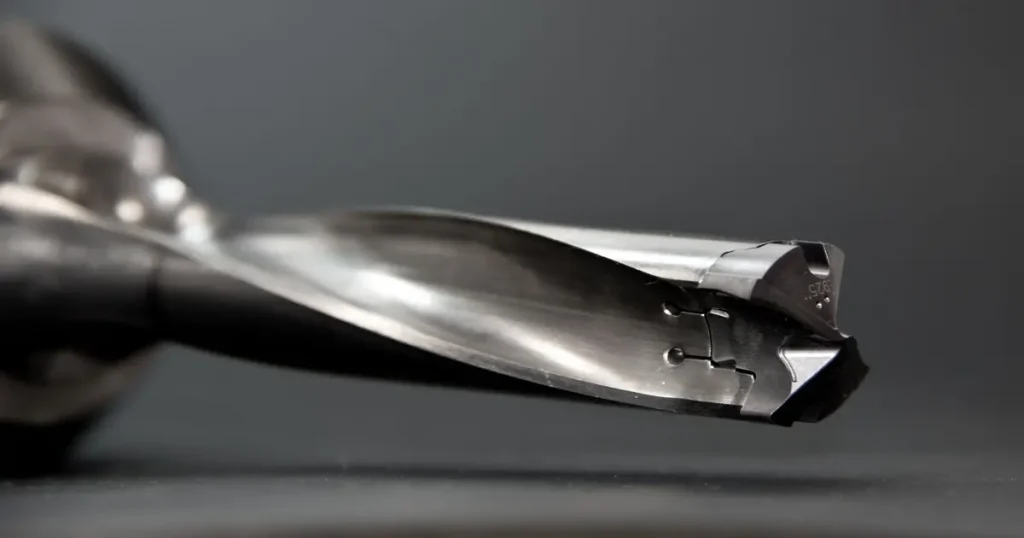
A customer reported carbide insert loss and supplied photographs of multiple worn cutting picks. Ruixin reviewed the visible wear pattern as a complete-tool problem rather than assuming that the carbide grade alone was responsible.
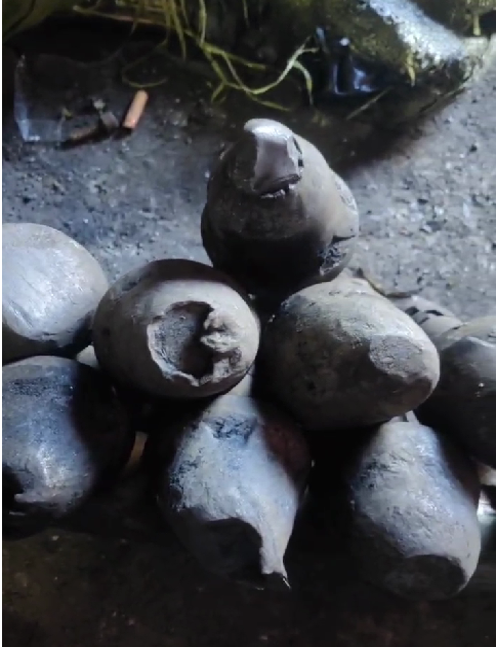
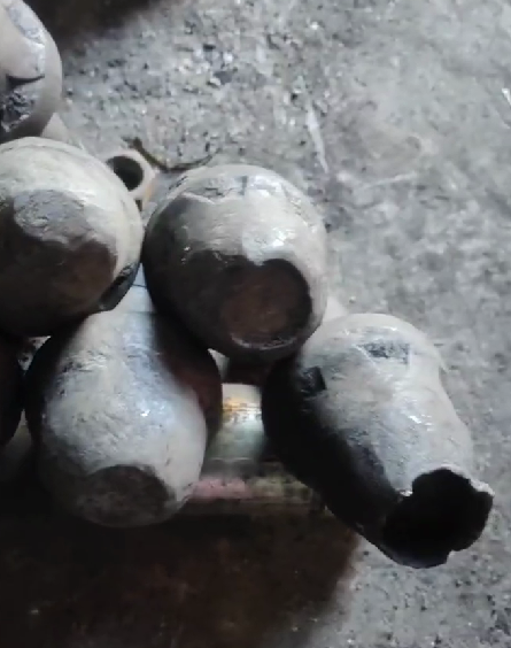
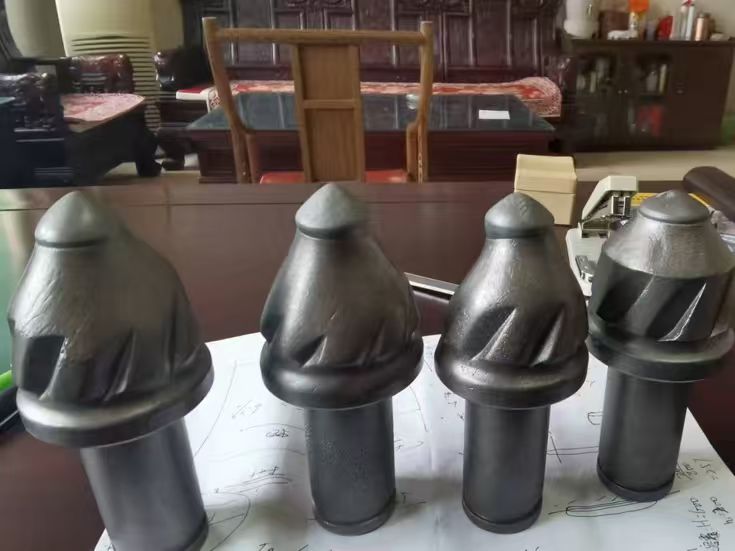
The customer reported carbide inserts detaching during service and sent overview and close-up photographs for diagnosis.
The visible wear pattern indicated that the steel body had worn back around the insert location. As supporting material was lost, the carbide could no longer remain adequately supported.
Ruixin advised changing to a more wear-resistant steel-body material and reviewing the body support and insert interface as one assembly.
After the body-material change, the customer reported a normal wear pattern. Test hours, metres and a comparative service-life percentage were not recorded, so no quantified life claim is made.
Anonymous field diagnosis based on customer-supplied photographs and follow-up feedback. The equipment model, operating material, steel grade codes, test quantity and post-use comparison photograph are still required for a controlled performance case.
Send Failure PhotosCOMPLETE TOOL + CARBIDE
Capability note: complete assemblies are evaluated against the drawing, sample, production volume and available technical evidence. No field-life claim is made until a controlled trial is completed.
VERIFIED COMMERCIAL EVIDENCE
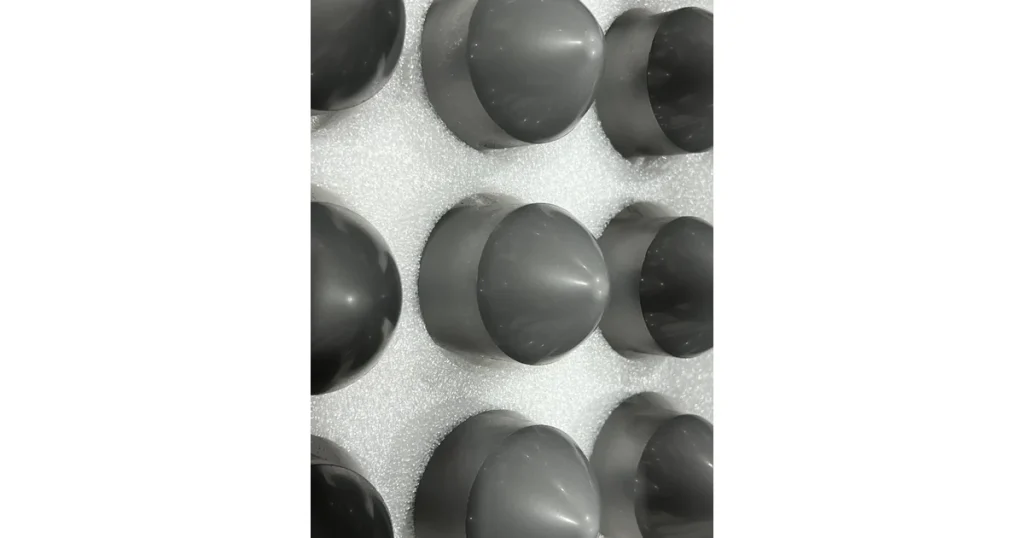
The anonymous field-diagnosis section on this page shows customer-supplied cutting-pick wear photographs and a revised complete-tool photograph. The catalogue evidence below is a Ruixin studio product photograph and the current published specification for milling-cutter carbide tips; the supplied case note does not identify a road machine or pavement.
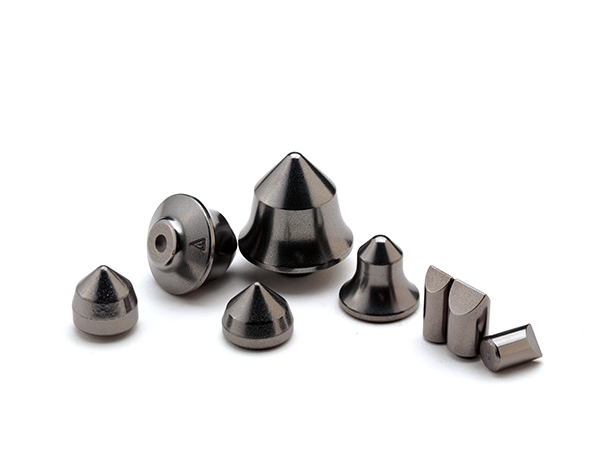
Ruixin studio product photograph of published road-milling tip forms. Steel body, washer, holder and drum position are outside the evidence shown here.
Open source product →SR7X, SR8C, SR10C, SS16CB and SS18CB are published with density 14.45–14.70 g/cm³, HRA 87–91, TRS at least 2000–2400 MPa and grain size 1–6 μm.
View grade data →The product page publishes drawing-based carbide geometry, shank interface and brazing-profile review. Complete pick and holder compatibility are confirmed only after sample or drawing approval.
View custom scope →Published terms list 20–50 pieces for sampling, normally 5–7 days, and typical bulk production from 500 pieces per grade in 3–4 weeks, subject to geometry and volume.
View order terms →Shipment material test records are published for hardness, density and grain structure. Assembly, braze and dimensional reports must be defined for a complete-tool project.
View inspection scope →The anonymous cutting-pick diagnosis demonstrates complete-tool failure analysis, but the supplied case note does not identify the machine or pavement. A controlled road-milling case still requires the machine, pavement, cutting depth, drum position, steel grade codes, test quantity and duration, a post-use comparison photograph, baseline consumption and measured result. No machine-brand compatibility or quantified life claim is made.
Submit approved evidence or project detailsRECOMMENDED PRODUCT FAMILIES
These families are starting points. Final grade, size, tolerance and assembly scope are confirmed from working conditions.
CUSTOM DEVELOPMENT
Drawing or sample review
Working-condition and failure analysis
Grade, geometry and joining proposal
Sample manufacture and inspection
Field test, feedback and batch release
Carbide system, grain size and binder are selected against the application requirement.
Critical dimensions, interfaces and inspection scope are confirmed before sampling.
Trial quantities and field feedback establish evidence before scale-up.
Inspection and material documents are agreed according to project scope.
CORE TECHNICAL GUIDES
TECHNICAL LIBRARY
Use these supporting articles for selection, failure diagnosis, operating review and purchasing preparation.
FAQ
Restricted pick rotation, holder wear, material packing, incorrect seating or drum-position loads can all contribute. The holder and installation condition should be reviewed with the carbide grade.
A common grade may be workable for some fleets, but concrete impact and abrasive asphalt can demand different toughness and wear resistance. We recommend comparing actual job mixes and failure photographs.
Complete tool supply can be evaluated, including carbide tip, steel body and assembly. Drawings or an unused sample help confirm dimensions and interface requirements.
ENGINEERING SUPPORT
Share the equipment, material, current part and wear pattern so the recommendation starts with the real working condition.
QUICK FACTORY-PRICE CHECK
Country, email and one short description are enough to start. Your name, company, WhatsApp, drawings and exact specifications can be added later.
 English
  Russian
  Spanish
  French